

New Directions in Old English Prose
Stephen A. Schwarzman Centre for the Humanities
13–14 April 2026
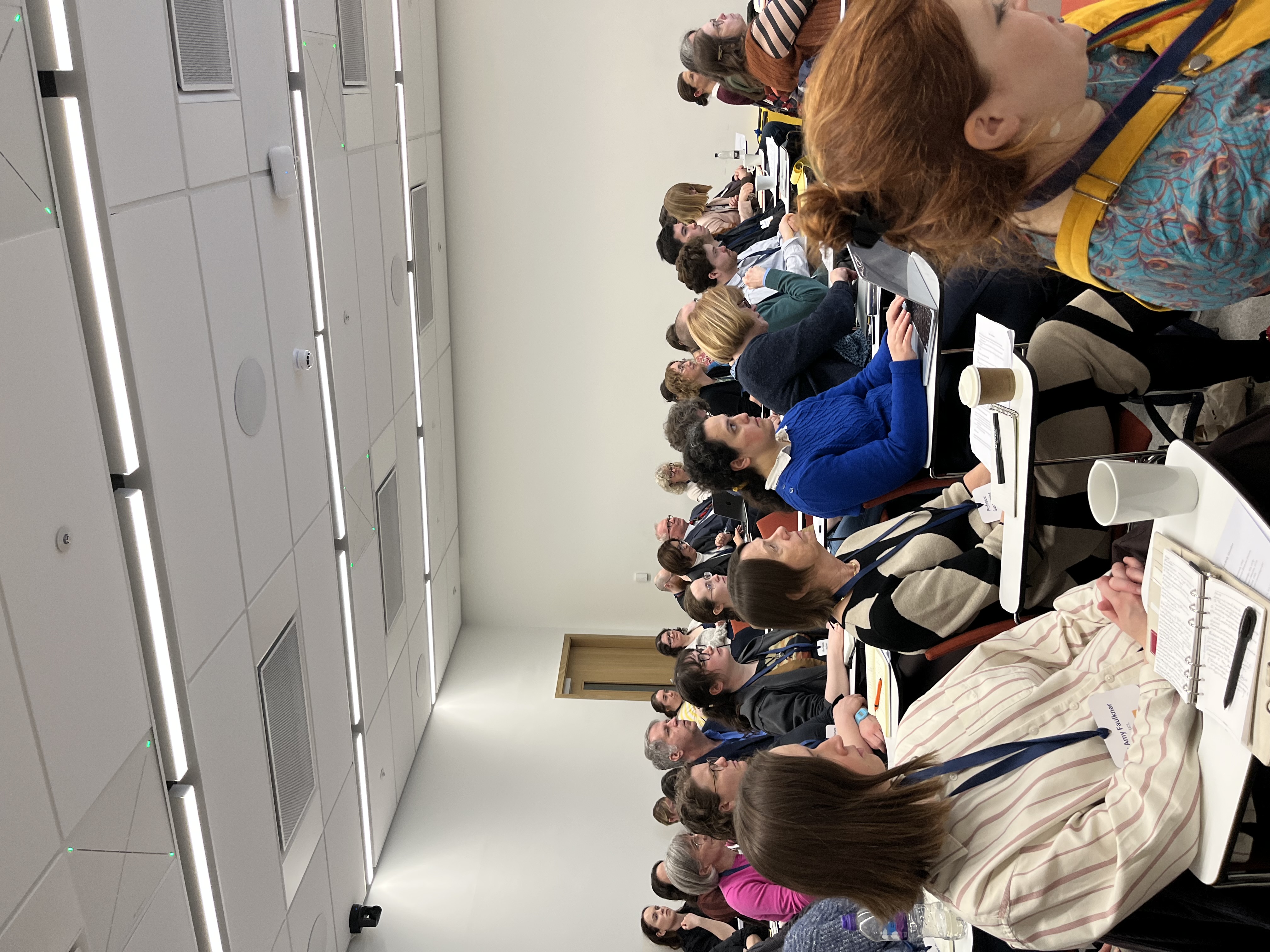
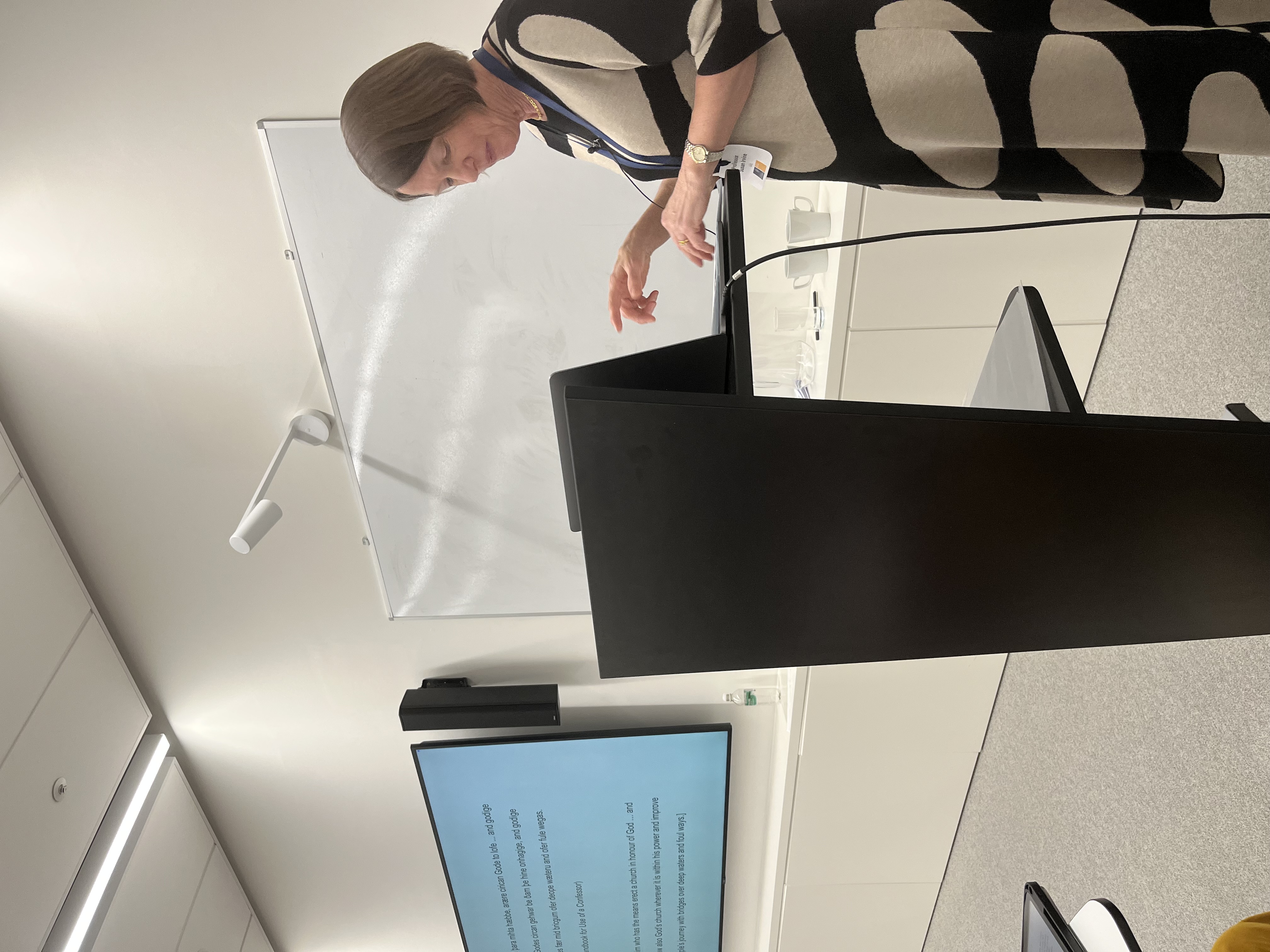
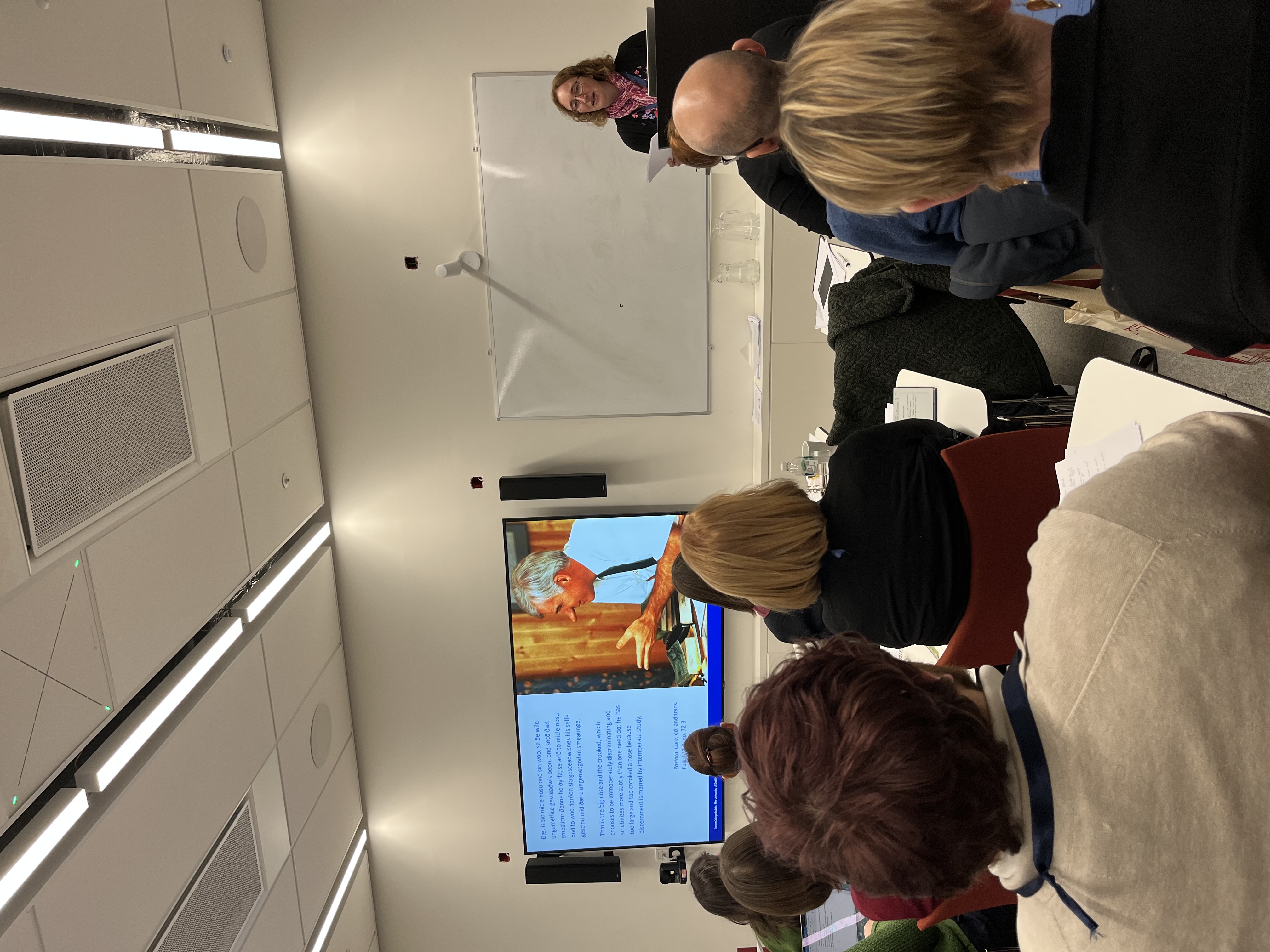
Over the course of two days, this international conference highlighted emerging directions in the study of the field. Hosted at the University of Oxford as part of Prof. Francis Leneghan’s AHRC-funded projected Writing Pre-Conquest England: A History of Old English Prose, the event brought together a diverse cohort of international senior scholars, early career researchers, and postgraduates. 25 papers were presented and over 60 delegates were in attendance. The programme is available here. The features of the texts under study were remarkably broad, moving beyond traditional literary analysis to explore objects, inscriptions, glosses, and prefaces. By employing methodologies rooted in syntax, style, semiotics, and the history of gendered literacy, the contributors demonstrated that Old English prose remains a site of dynamic intellectual enquiry.
A significant theme that unified the sessions was a rigorous re-evaluation of the prose canon. For much of the twentieth century, the study of Old English prose was dominated by a teleological focus on the “great books” of the Alfredian era and the late tenth-century homiletic traditions of Ælfric and Wulfstan. This conference, however, frequently placed these established corpora into dialogue with less canonical and a wide range of pre- and post-Alfredian materials. By integrating marginalia and vernacular glosses—material historically sidelined in favour of “complete” or “literary” texts—the sessions highlighted the regional and linguistic diversity of the early medieval period of English literature.
Closely related to this reassessment of the canon was a shift away from a monolithic, West-Saxon centred perspective toward a more nuanced dialectal landscape. Scholars explored the importance of the Northumbrian and Mercian traditions and interlinear glossing further emphasised the extent to which Old English prose reflects localised and context-sensitive literacy practices rather than a single uniform prose standard.
The inclusion of papers on women readers (and the possibility of female authorship) and the re-evaluations of wisdom within texts further expanded the scope of prose study. This social-historical approach suggests that “New Directions” in the field are not only about identifying new materials, but also about asking new questions of the texts we already possess.
As an undergraduate student, I found this bird’s-eye view of the field particularly illuminating. Many of the texts discussed—such as early Mercian prayerbooks and Northumbrian glosses—sit outside the standard undergraduate curriculum, yet the conference gave these materials space to invite deeper engagement and to challenge the traditional bounds of prose study. For the next generation of scholars, these “New Directions” offer an invitation to pursue fresh angles within the Old English corpus, ensuring that the work of the ROEP project will continue to shape future research in the field.
Libby Histed, Harris Manchester College